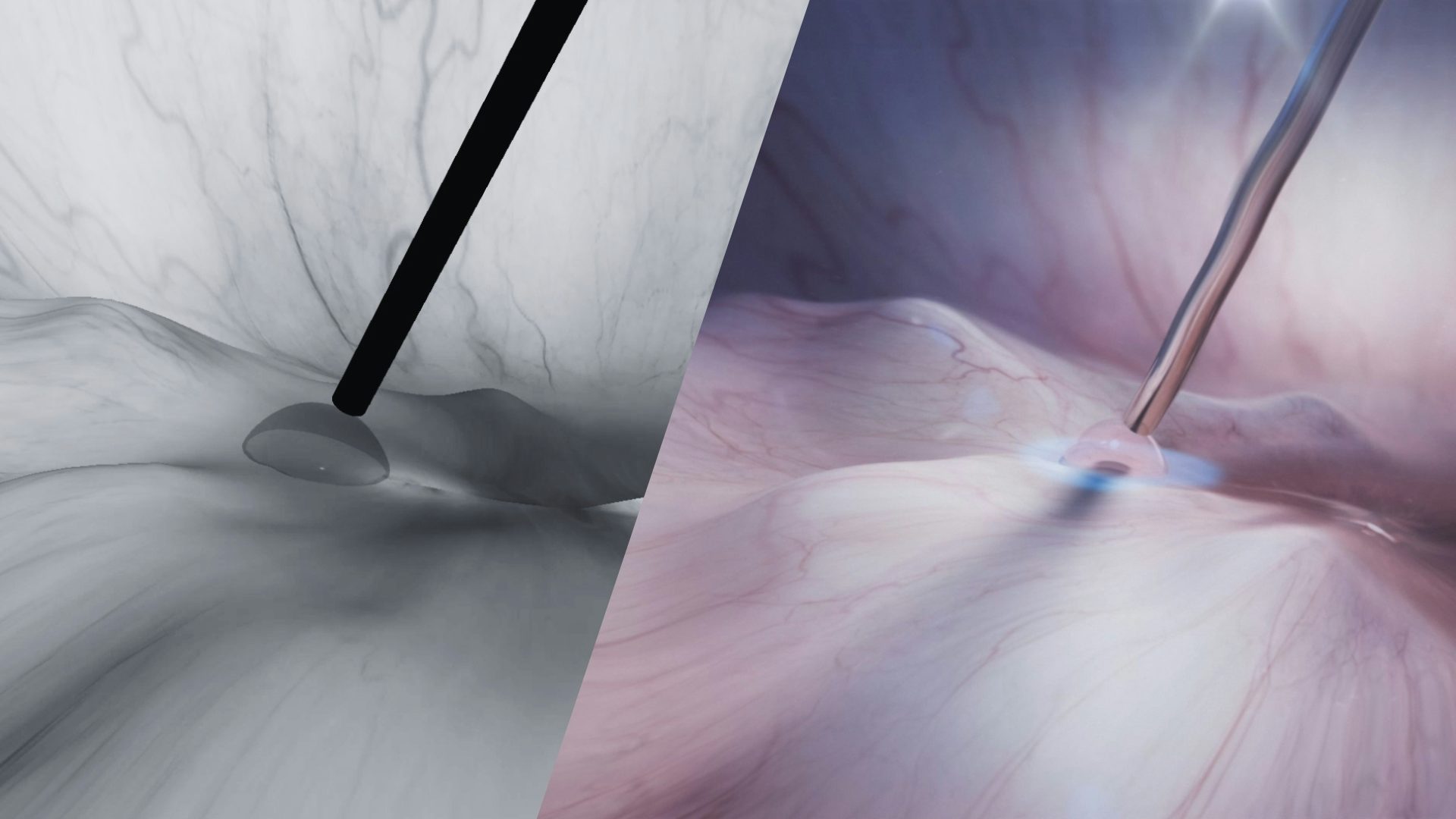
In the world of scientific communication, 3D animation has become a key tool for visualizing complex biological processes and making mechanisms invisible to the human eye easier to understand.
A MOA (Mechanism of Action) video shows how a drug, molecule, or medical device acts inside the body, offering a clear and engaging representation of microscopic phenomena.
Whether it’s illustrating an antibody binding to a receptor, the intracellular diffusion of an active ingredient, or the functioning of a medical implant, bluemotion medical’s 3D MOA videos turn scientific research into a credible, emotional, and highly educational visual language.
To achieve this result, bluemotion medical follows a seven-stage process in which scientific rigor, storytelling, and visual quality come together to create truly high-end content.
Below are the seven key stages through which a MOA video comes to life.
Brief
Moodboard
Storyboard
First Preview
Second Preview
Final Delivery
1. Brief & Scientific Analysis
Every project begins with a strategic kickoff meeting.
In this phase, the bluemotion medical team works closely with the client and scientific stakeholders to:
define the communication goal (education, training, investor pitch, medical marketing);
understand the biological or pharmacological mechanism to be visualized;
collect key scientific references (clinical studies, papers, preclinical data, illustrations, diagrams);
establish the required level of scientific accuracy (e.g., for peer review or international congresses).
The brief is a pivotal moment where scientific language is translated into visual language, setting the foundation for a coherent, high-value outcome.
2. Moodboard & Visual Direction
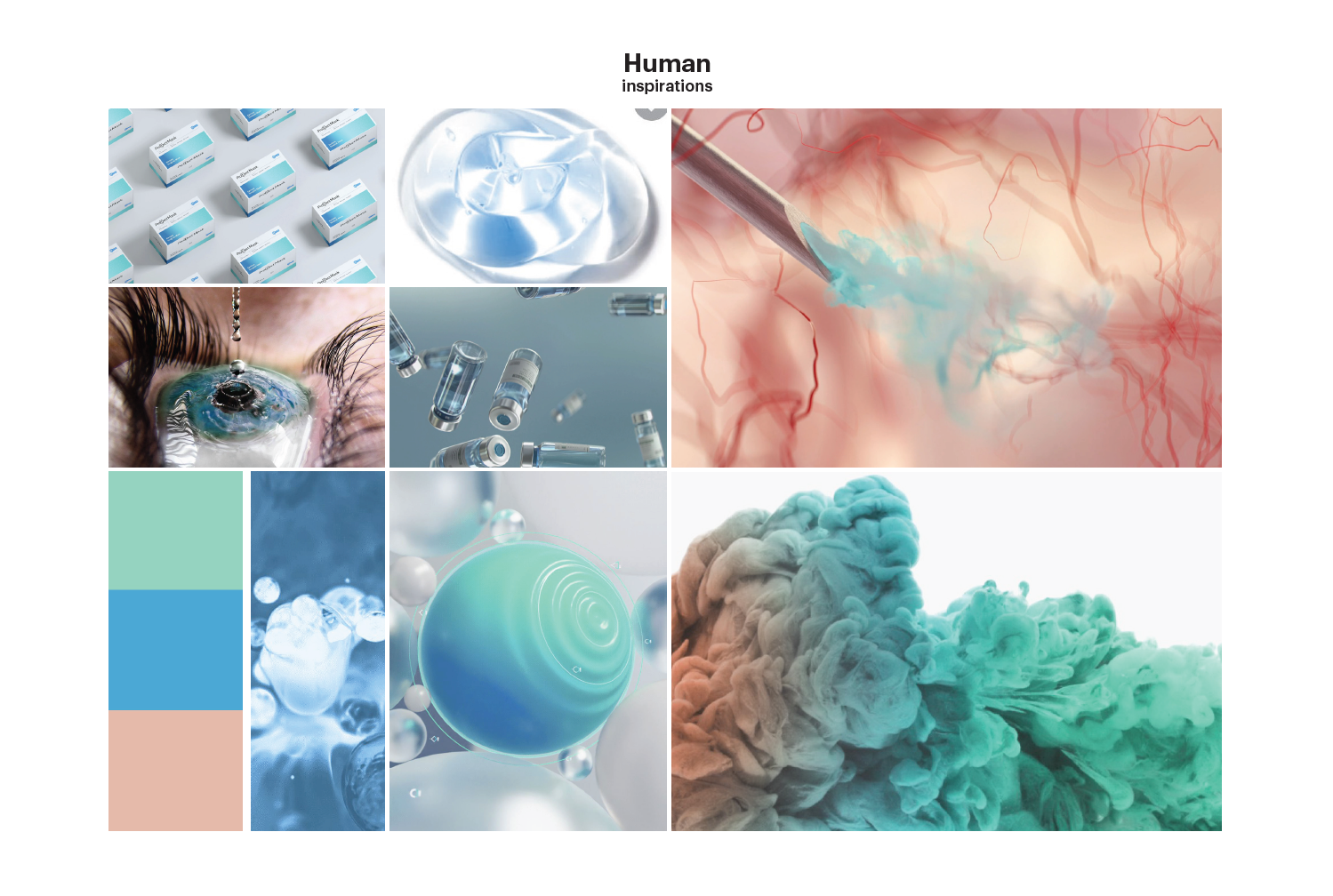
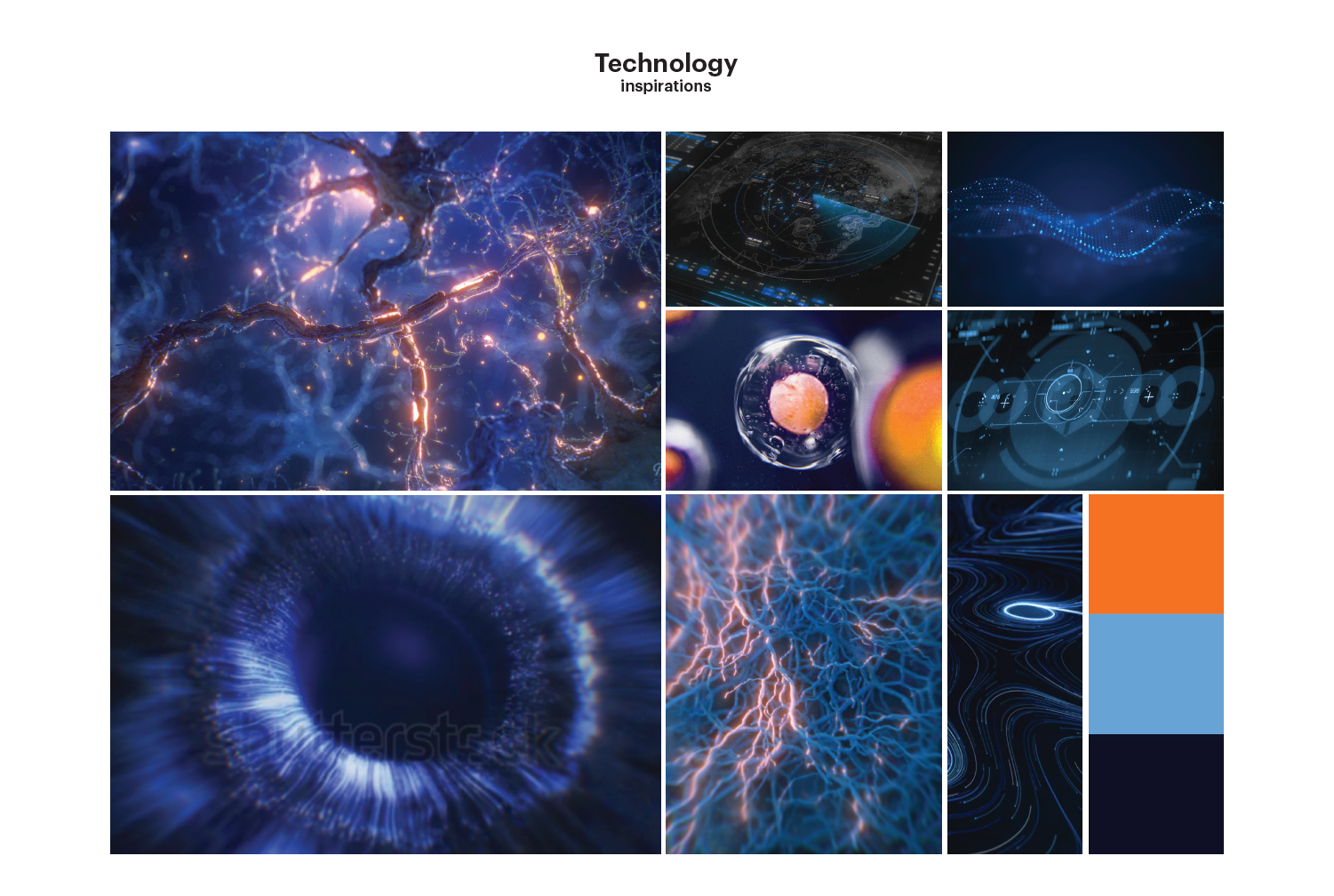
The moodboard defines the video’s visual style and scientific tone.
In medical communication, every aesthetic choice from the color palette to the lighting helps convey precision, trust, and innovation.
During this phase, the team selects visual references and textures for elements such as:
cells, membranes, and receptors;
biological tissues or organs;
microscopic or molecular environments;
fluids, particles, or protein bonds.
The result is a shared visual direction between the creative and scientific teams, guiding every subsequent stage of production.
3. Voiceover, Sound Design & Script
The core of a MOA video is its scientific narration.
bluemotion medical develops the script in collaboration with the medical team, translating pharmacological concepts into a linear, clear story that stays visually coherent.
The voiceover is written and recorded with a neutral, professional, international tone, and can be delivered in multiple languages.
Music and sound design support the narrative pace, highlighting key moments such as molecular interactions, enzymatic cascades, or the controlled release of an active ingredient.
Every sound and textual element is carefully calibrated to reinforce the scientific content never to distract from it.
4. Scientific Storyboard
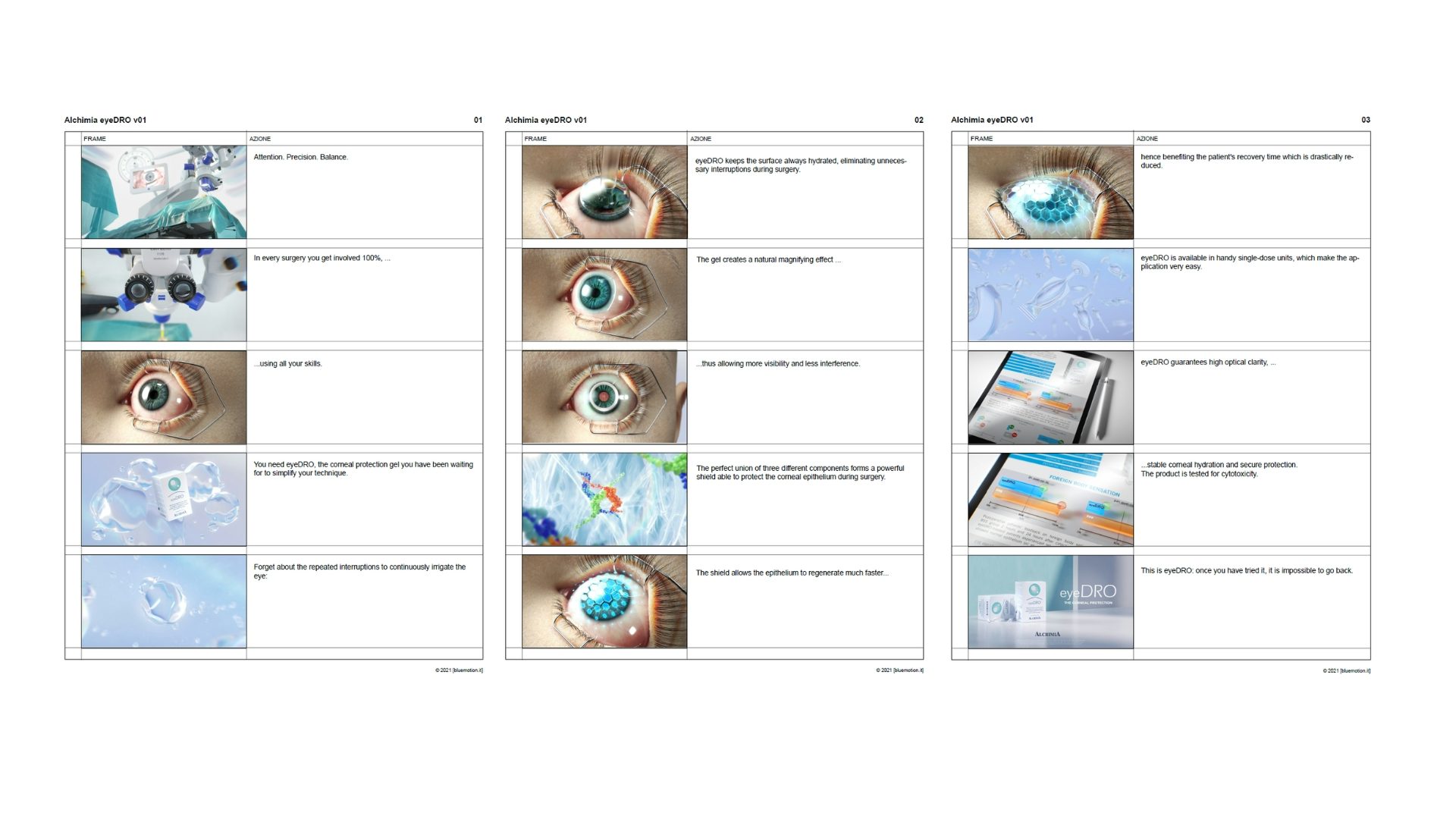
The storyboard is the visual roadmap of the mechanism of action.
Each scene is illustrated in sequence and reviewed with the client team, showing:
molecular structures and their dynamics;
the pharmacokinetic or pharmacodynamic pathway;
interactions with cellular targets or specific receptors;
the final effect on the relevant tissue or organ.
This phase enables scientific validation of the narrative before animation begins, ensuring every biological step is accurate and communicated effectively.
6. First Preview (Low Resolution)
This is when the MOA video truly comes to life.
The first preview includes all animated sequences in low resolution, with the goal of validating motion, timing, and the scientific coherence of the animation.
At this stage, the team reviews elements such as:
the speed of molecular interactions;
biological proportions and scale;
the clarity of key steps.
The client can provide fast, focused feedback ensuring a smooth and efficient approval process.
7. Second Preview (High Resolution)
The video is refined in every detail: lighting, materials, particle effects, and surface realism.
The second preview, delvered in high resolution, represents about 98% of the finished project and enables a final review before the definitive render.
The goal is to achieve the ideal balance between scientific accuracy and visual impact, always keeping the medical message at the center.
8. Final Delivery & Formats
The MOA video is delivered in two main versions:
High-resolution, for congresses, trade shows, and corporate presentations;
Web-optimized, suitable for websites, e-learning platforms, or medical portals.
All files are stored in a dedicated repository, providing the client with permanent, secure access.
Localized versions can also be requested (multilingual and/or with different voiceovers) for international markets.
A Dedicated Project Management Platform
Throughout the entire project, bluemotion medical uses Basecamp: a platform that centralizes communication, assets, and approvals.
The client can:
monitor progress in real time;
communicate directly with both the creative and scientific teams;
approve milestones easily, with full traceability.
From Data to Vision
A MOA video isn’t just a visual representation it’s a strategic scientific communication tool designed to educate, inspire, and persuade.
At Bluemotion Medical, we combine scientific expertise, visual design, and 3D technology to turn biological complexity into a clear, memorable, high-value experience.
If you want to communicate your product’s mechanism of action effectively, the bluemotion medical team is ready to create your next MOA video.
We bring science to life in 3D.