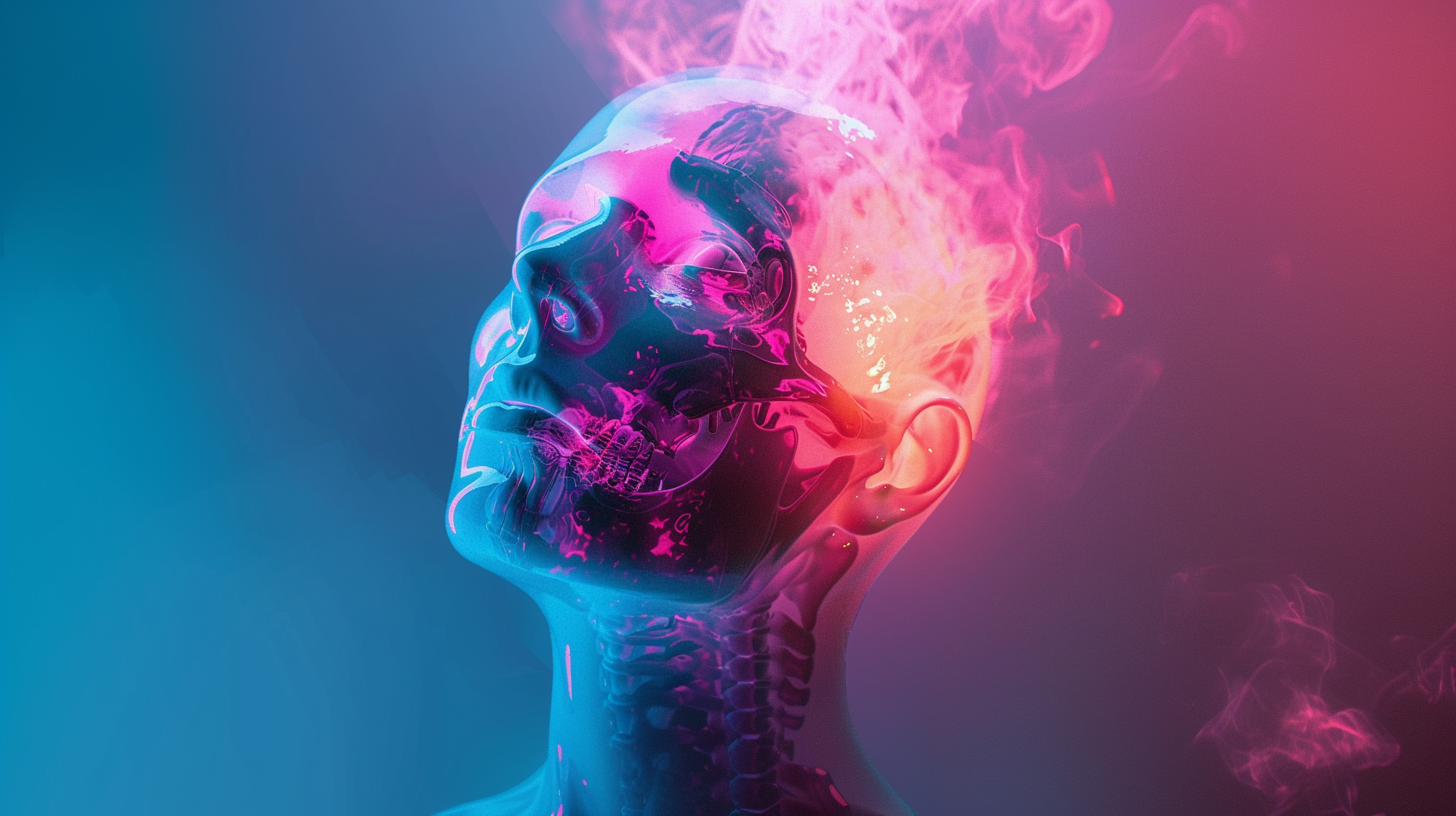
Bluemotion is redefining medical storytelling, creating immersive experiences that elevate how scientific knowledge is communicated and understood. As AI becomes increasingly embedded in our workflows, the potential for further innovation in the medical communication landscape is limitless. In recent years, artificial intelligence (AI) has been making significant strides in the medical and scientific sectors, transforming not only research and development but also how complex concepts are communicated.

One of the key challenges in medical communication is the ability to translate highly technical and complex information into something digestible and easily understood by both professionals and the general public. In the medical field, AI can’t simply rely on its “artistic” capabilities like in other creative sectors, as the accuracy and clarity of information are paramount.
Instead, AI serves as a support tool during the research and development phases, offering innovative solutions for representing medical content in a way that is both visually appealing and scientifically precise.
IN THE MEDICAL FIELD, AI CAN’T SIMPLY RELY ON ITS “ARTISTIC” CAPABILITIES LIKE IN OTHER CREATIVE SECTORS, AS THE ACCURACY AND CLARITY OF INFORMATION ARE PARAMOUNT.

In the field of medical-scientific communication, we can say that Bluemotion is already considered a point of reference in Italy. Although artificial intelligence offers new possibilities for project development, does it achieve the level of precision necessary to represent the complex details that this field requires, or is attention to detail still a responsibility entrusted to human experience?
It depends on the perspective. Since AI is data-driven, it operates based on the information it is given. The key factor is the quality of this data. There is undoubtedly a vast amount of scientific data on medical procedures for treating diseases or academic explanations of chemical reactions and processes, which are written with great precision and numerous variations. In this respect, AI can draw from a wealth of information. In our specific case, however, it’s still somewhat borderline.
In the scientific field, if we were to strictly represent the human body, it wouldn’t be aesthetically interesting: everything is white, water, transparent, with maybe a few spots of blood here and there.

If we limited ourselves to histological representations of pieces of the human body, while they may be accurate, they wouldn’t be visually captivating. We would lose a fundamental aspect of communication: beauty. We aim to communicate scientific concepts, but using neuroscience techniques.
The outputs need to be captivating; the viewer should be attracted to the visuals, accepting that this representation might not be scientifically verifiable but is instead a beautiful enhancement of a true scientific basis through artistic expression. In this respect, AI, as mentioned earlier, gives us a different, and sometimes better, perspective. It emphasizes certain aspects and, in some cases, generates beauty where there was none, but it remains just another point of view alongside the human eye. It offers the advantage of saying, “Okay, let’s see what we haven’t explored yet,” and then deciding whether it works or not.

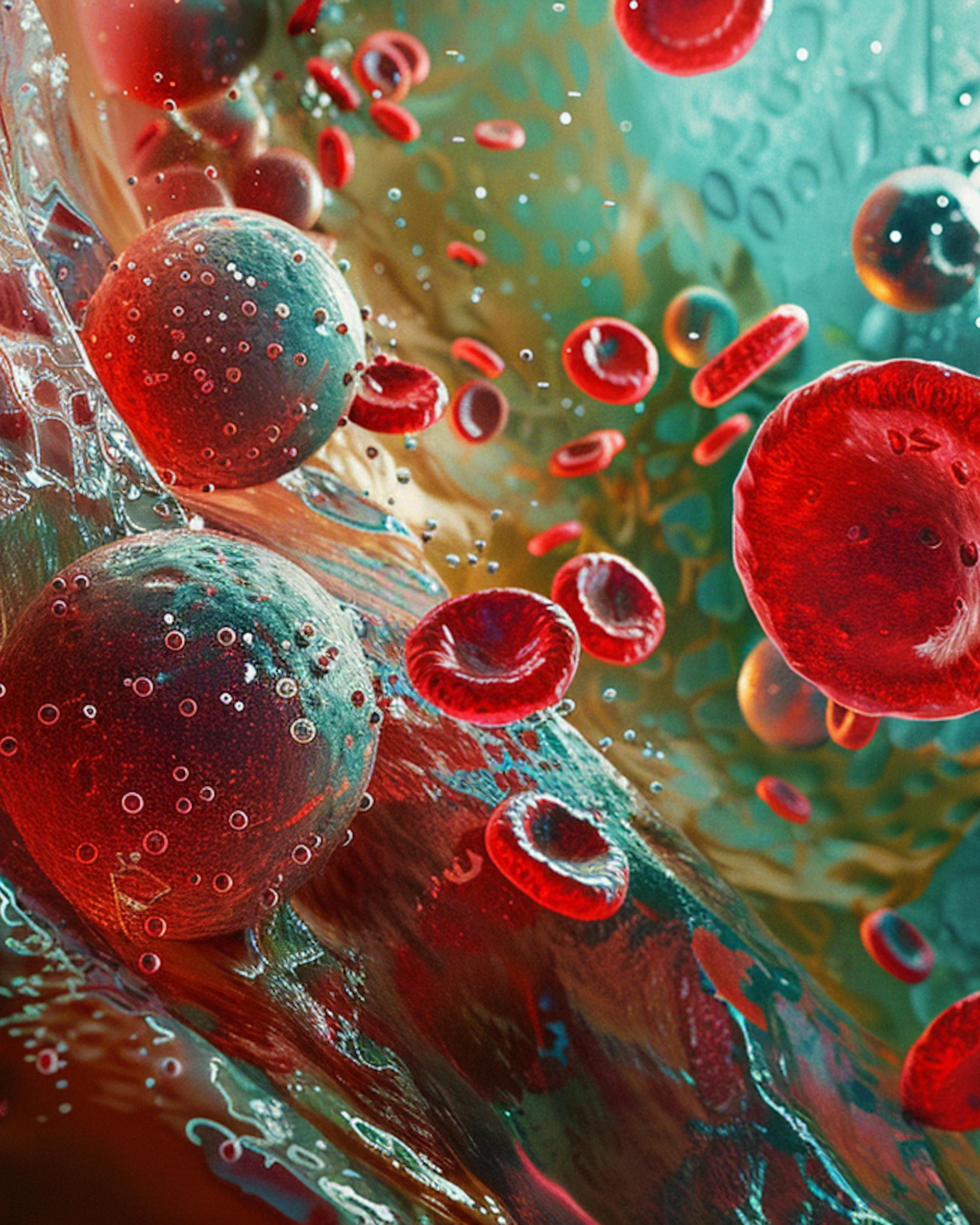

This is particularly relevant because even current science has unknown aspects—such as the exact shape of a receptor on a cell, something infinitesimal and, at times, yet to be discovered—meaning that there’s no real physical form to start from. AI hasn’t yet reached the level to address this because it works from existing knowledge, which is based on “old” data. In this field, AI still has significant limitations. It can provide a new representation of a molecule based on known data, but making it aesthetically appealing is still a challenge.
Thus, we can say that the field of scientific content creation is not yet fully within AI’s domain. Instead, AI plays a role in creative support, helping to rework a starting point that must be scientifically accurate, while exploring different paths for creative enhancement. Additionally, in this context, compared to other fields, AI must be more “controlled” because it risks generating outputs that don’t align with the original scientific data, distorting it.
We use it in a much more targeted and restricted manner during the creative phase, to ensure the scientific foundation is maintained. AI can speed up parts of the production process, but it cannot interfere with the project’s specifications.

To be more specific: asking AI to create a realistic image of a heart is feasible because there are millions of heart images it can draw from.
However, if we ask for an image of a cellular receptor like CT44, AI will struggle because there aren’t many sources available, as there is no precise representation. In this case, AI has difficulty interpreting data and producing representations either similar to other references or too far from scientific reality. The evolution of science and scientific communication is moving toward the ability to represent what was previously impossible to visualize, thanks to new microscopes or findings from the latest scientific research.
As science ventures into unexplored territories, it lacks data to build upon. In this sense, the first “pen” is still the human mind, creatively processing precise scientific information. Only at this point can AI come into play, but not before. Once again, if AI is data-based, it can provide answers when data is available. But when we enter the invisible world, where there are no data, everything is still in darkness. However, in the visible and concrete world, where there is ample data, AI can do much more.

THERE IS A STREAMLINING OF PROCESSES, WHICH ALLOWS PROJECT MILESTONES TO BE REACHED MORE QUICKLY AND, CONSEQUENTLY, REDUCES COSTS FOR THE CLIENT IN CERTAIN PROJECT PHASES AND THUS THE TOTAL COSTS.
Bluemotion is known for its ability to push the boundaries of 3D communication and anticipate innovative solutions. How are you experiencing this phase of technological transition with the adoption of tools like Midjourney and Unreal within your team? Have you had to schedule training sessions or revise your workflows? Has it been a natural process or has it been challenging?
I often use this metaphor: it’s like driving a car. When you’re driving, your hands are constantly on the wheel, adjusting the vehicle’s path moment by moment, multiple times per second. You can’t afford to reduce the frequency of corrections or become distracted, or you risk going off track. Similarly, training or incorporating new technological tools must be done continuously.
Growth, process modifications, and the adoption of tools need to happen with increasing frequency. We strive to stay updated on new visions that eventually lead to new software. We’ve sometimes found ourselves too ahead of the curve, analyzing and exploring innovative solutions and technologies during their early startup phases, only for them not to evolve into viable projects for various reasons.
Right now, a plethora of tools is emerging—perhaps even too many. The biggest challenge is keeping pace with how many are being created. Personally, I find this a bit complicated; there are so many new tools that it becomes difficult to get a complete overview. It takes time to look at them, understand them, test them, and verify whether they are valid. This is objectively a difficulty and a time-consuming activity.
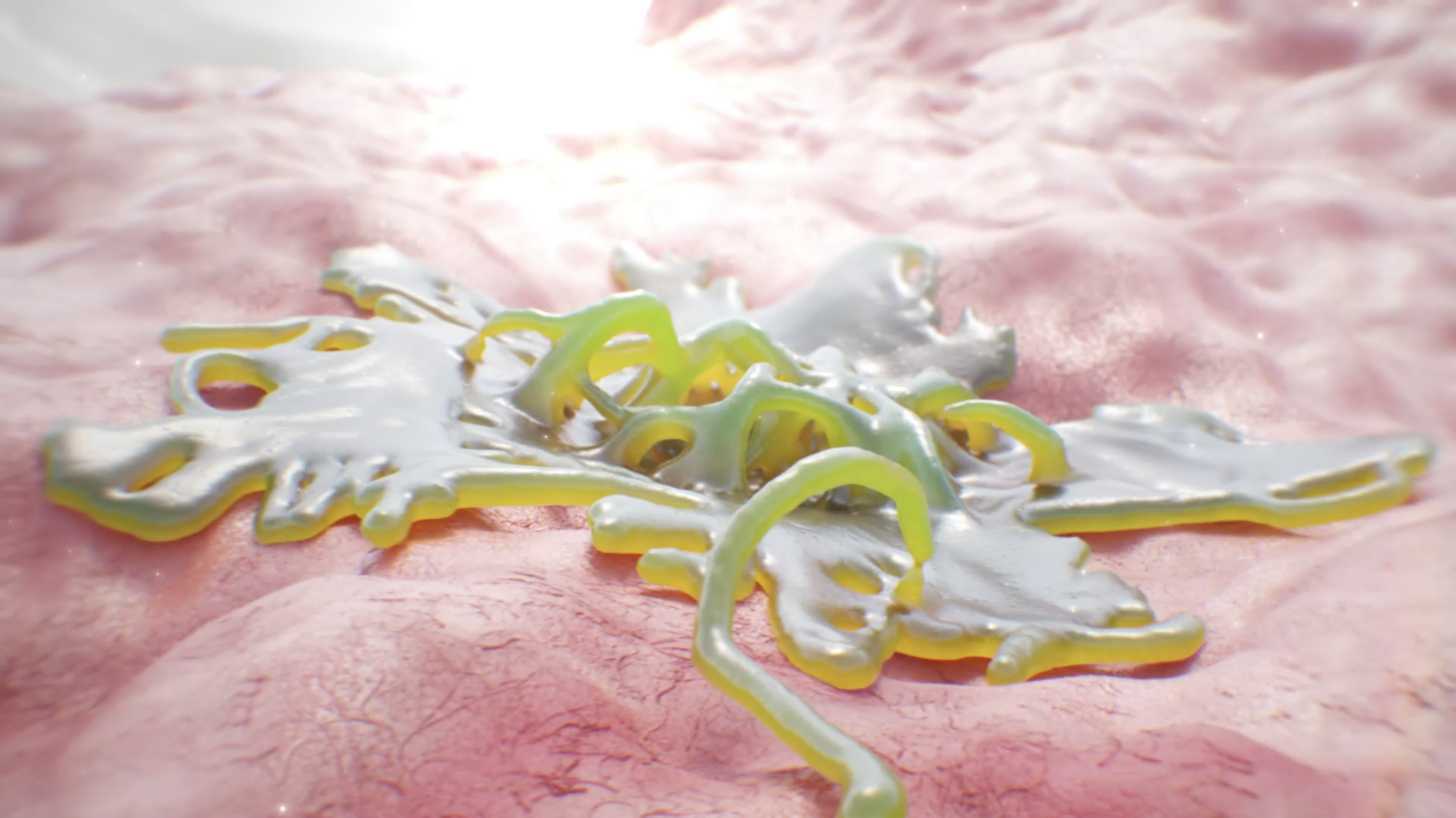
Regarding company culture, it’s important and strategic to promote internal training by organizing targeted courses on selected topics. In our sector, there are countless areas, software, cases, trends, and techniques to explore and experiment with. Keeping up with new technologies is demanding, especially during a time of strong hype and the emergence of numerous platforms, which makes everything more challenging.
We are constantly experiencing technological transition, in the sense that part of our work contributes to this transition and offers the best of it in the form of services to our clients. In this particular technological transition, the continuous emergence of tools and applications makes it less straightforward to identify the most effective ones, which then become the de facto standards in our business processes.
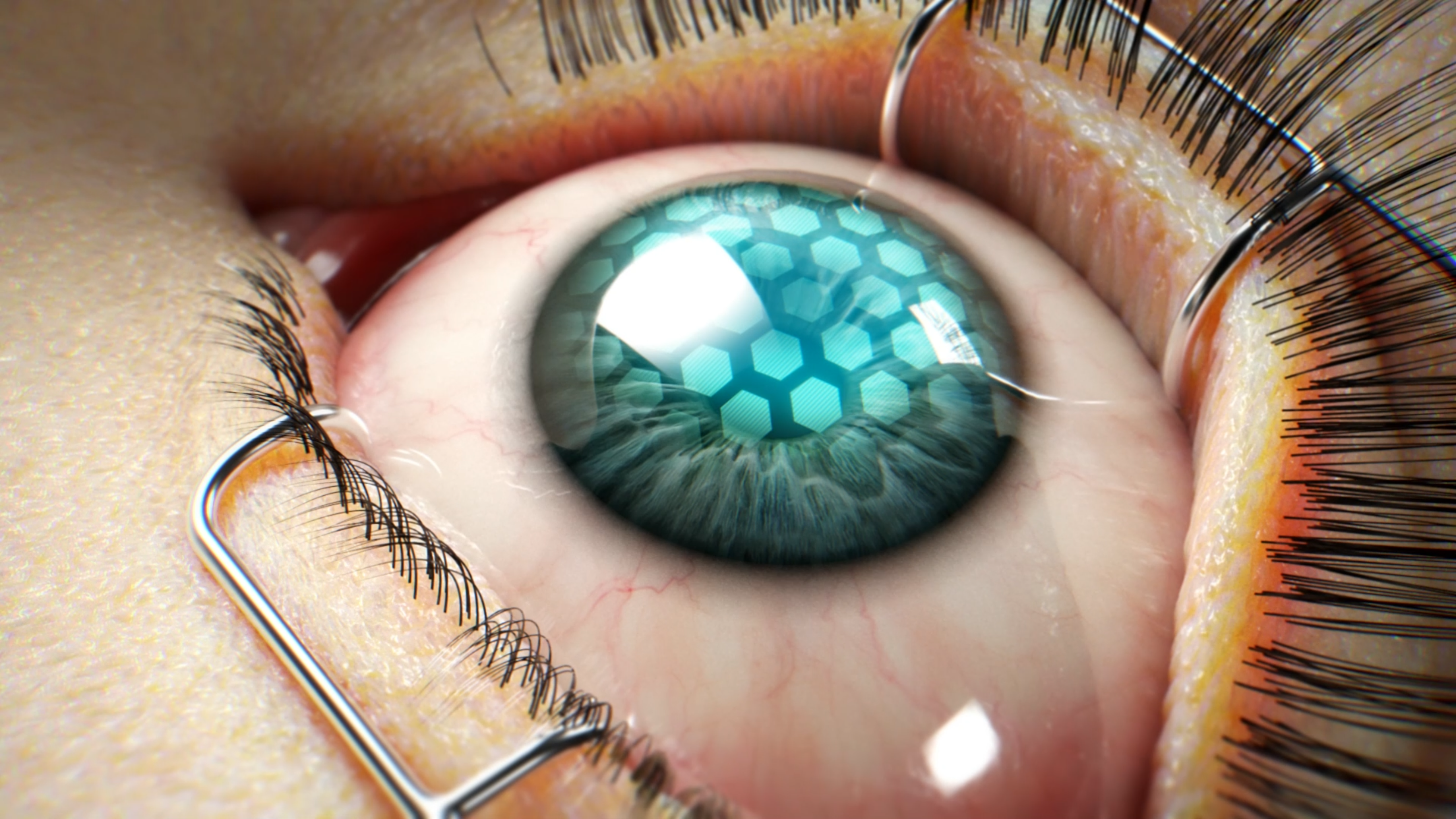
However, our experience at the company level in adopting new tools as standard practice allows us to quickly identify those that are most strategic for the industry and the market, distinguishing between those that arise merely from current hype and those that address real needs.
As a service company that primarily relies on time-project effort, adopting new tools that allow for the acceleration of certain activities clearly provides an economic advantage for the client by reducing overall costs.
At the moment, there are no particular projects that have been fully realized using artificial intelligence. We haven’t reached that point yet, both due to the complexity and variety of project requests and from a market perspective. Currently, AI is integrated into all our projects; it appears in all our products and works, but not in the form of an entire project.